
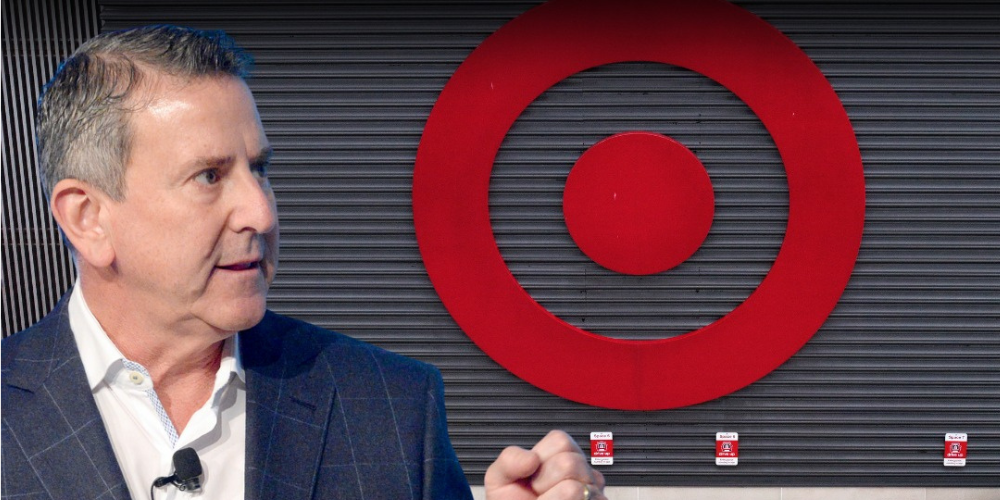
Brian Cornell Exits as Target CEO, Michael Fiddelke to Lead Next Chapter
Target is preparing for a major leadership change. Brian Cornell, who has led the company for nearly a decade, will step down as CEO on February 1. Michael Fiddelke, the current Chief Operating Officer and a 20-year veteran of the retailer, will step into the role. Cornell will remain connected to the company as executive chair of the board.
Brian Cornell’s Legacy at Target
Cornell, now 66, became CEO in 2014 at a time when Target was facing serious challenges. The company was still recovering from a massive data breach that damaged its reputation and sales. Under his leadership, Target regained momentum by strengthening its private-label brands, investing in e-commerce, and repositioning its stores as fulfillment hubs to compete with fast-growing rivals.
He also spearheaded the 2017 acquisition of Shipt, which gave Target a stronger presence in same-day delivery services. During the pandemic, those efforts helped drive record-breaking sales as customers leaned on the retailer for essentials, home goods, and online shopping convenience.
Still, recent years have brought tougher conditions. Inflation, changing consumer habits, and rising competition from Walmart, Amazon, and discount chains have chipped away at Target’s once-stable position.
Michael Fiddelke Steps Into the Role

Instagram | teamtarget | After a thorough search, Target’s board selected Michael Fiddelke for his work in supply chain management.
The board’s decision to appoint Michael Fiddelke followed years of careful consideration of both internal and external candidates. Fiddelke has been a key figure in reshaping Target’s supply chain, improving cost efficiency, and expanding both store operations and digital services.
Cornell praised his successor’s vision and deep understanding of the business, calling him the right choice to guide Target through its next chapter. Fiddelke, in turn, emphasized urgency in regaining Target’s merchandising edge. He pointed to the times when the brand had strong cultural influence and positioned itself as a trendsetter in retail. Restoring that authority is his immediate priority.
Earlier this year, Target also assigned him to lead a new office focused on faster decision-making to help reignite growth. That effort signals a shift toward more nimble strategies as the company adapts to a changing marketplace.
Target’s Current Challenges
The leadership announcement came on the same day Target reported another quarter of disappointing results. Net income dropped 21% in the quarter ending August 2, with comparable sales falling by 1.9%. The company has now posted flat or negative comparable sales in eight of the past ten quarters.
A closer look shows that Target has lost traction in many merchandise categories. Out of 35 categories it tracks, the company gained or held share in only 14. Meanwhile, Walmart continues to grow its reach among higher-income households, while discount chains attract budget-conscious shoppers.
Another shift came with Target’s decision to end its longstanding policy of matching competitors’ prices, a move that has drawn criticism from some consumers. The new policy only allows matches between Target’s own in-store and online prices.
Brand Identity and Consumer Trust
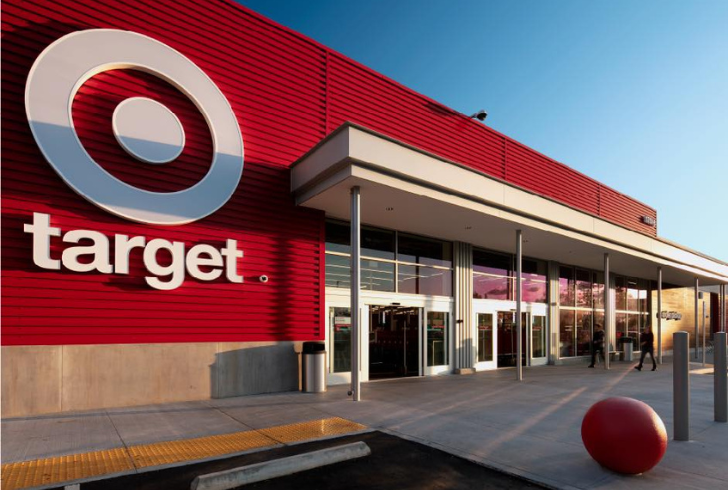
Instagram | thejamalbatesmorningshow | For decades, Target has been celebrated for its blend of style and value.
For decades, Target carved out a reputation as a retailer that blended style with affordability. The nickname “Tarzhay” captured that mix of playful branding and trendy products. But some analysts argue the company has struggled to maintain that appeal, especially as it shifted too heavily into basic home goods while pulling back on stylish, buzzworthy items.
At the same time, the company has faced consumer boycotts related to its diversity and inclusion programs, adding pressure at a moment when inflation already limits consumer spending. Market researchers note that losing favor with higher-income shoppers is particularly concerning, as this group typically sustains spending during economic downturns.
Looking Ahead for Target
Cornell’s decade at Target leaves a mixed legacy. He guided the company through crises, strengthened private-label brands, and modernized logistics. Yet recent years revealed the strain of shifting consumer habits and tougher competition.
As Michael Fiddelke steps into the CEO role, he faces declining sales and the challenge of making Target culturally relevant again. His emphasis on faster decision-making, sharper merchandising, and rebuilding consumer trust will be central to the company’s direction.
This leadership change represents a pivotal moment for Target, as it works to reconnect with shoppers and define what “Tarzhay” means for the next generation of consumers.
More in Business
-
`
 Has the Labubu Craze Finally Hit Its Breaking Point?
The rise of Labubu dolls has been nothing short of extraordinary. What started as a quirky character from a children’s book...
September 27, 2025 -
`
 Kendall Jenner’s Green Olive Activewear Is This Fall’s Must-Have Shade
Kendall Jenner has once again shown how a single color can define a season. The supermodel, widely recognized for her influence...
September 20, 2025 -
`
 Why Denzel Washington Doesn’t Watch Movies Anymore
Denzel Washington, a two-time Academy Award winner with a career spanning decades, recently made a revelation that caught many off guard....
September 13, 2025 -
`
 Redefining Wealth Management for a Multi-Generational Future
Wealth today is no longer just about financial capital. It represents values, priorities, and the vision families carry into the future....
August 30, 2025 -
`
 Can Lifestyle Changes Improve Your Cognitive Health?
For years, scientists have tied healthy living to stronger brain performance. Now, the 2025 POINTER trial adds new evidence, showing that...
August 23, 2025 -
`
 Jason Momoa Shocks Fans With Clean-Shaven Look for ‘Dune 3’
Jason Momoa has officially said goodbye to his signature beard—and it’s for a role that fans have been eagerly anticipating. The...
August 15, 2025 -
`
 Why Fast Growth Can Hurt Your Business More Than Help It
Scaling a business is exciting. Growth means progress, more customers, and broader influence. But pushing too hard, too fast can pull...
August 10, 2025 -
`
 2 Game-Changing Stocks That Could Build Generational Wealth
There’s no shortage of investment ideas in the market. But every once in a while, a few names emerge that offer...
August 3, 2025 -
`
 This Influencer’s Active Videos Inspire, But Offline She Battles a Painful Condition
Aurora McCausland appears full of energy across her TikTok and Instagram feeds. With over 300,000 followers, she’s seen dancing through her...
July 27, 2025
More From AfternoonEdition
-
 Decoding Harry Style’s New Album “Kiss All the Time. Disco, Occasionally.”
Harry Styles rarely repeats himself. Each album opens a new door, and his fourth record proves that habit still holds. “Kiss...
EntertainmentMarch 28, 2026 -
 Why Major UK High Street Businesses Are Going Cashless
Cash still jingles in pockets across the UK, but its place on the high street is shrinking. A new survey published...
BusinessMarch 21, 2026 -
 How Singapore’s Wealthy Elite Owns One-third of Total Household Wealth
Singapore is famous for its sleek skyline, booming finance sector, and strong economic growth. Yet behind that success sits a sharp...
WealthMarch 13, 2026 -
 BBC to Celebrate Broadcasting Icon David Attenborough’s 100th Birthday
The BBC is preparing a major tribute to one of its greatest voices. Sir David Attenborough turns 100 on 8 May,...
LifestyleMarch 7, 2026 -
 Why the “Dancing With the Stars” TV Show Is Reinventing Itself
A new chapter is starting for the Dancing With the Stars franchise. This time, the spotlight is not on celebrities chasing...
EntertainmentFebruary 26, 2026
You must be logged in to post a comment Login