

Has the Labubu Craze Finally Hit Its Breaking Point?
The rise of Labubu dolls has been nothing short of extraordinary. What started as a quirky character from a children’s book has transformed into a cultural and financial phenomenon, lifting Pop Mart’s stock price by triple digits and fueling a thriving resale market.
Yet, signs are emerging that the fever may be cooling, leaving collectors and investors questioning whether the bubble is beginning to lose air.
The Origins of Labubu
Labubu was created by Hong Kong artist Kasing Lung. It initially appeared in illustrated stories before Pop Mart acquired licensing rights in 2019. Since then, the toy has evolved beyond its original audience. What once appealed primarily to children quickly shifted into a status symbol for young adults and pop culture enthusiasts.
The turning point came in 2024, when global icons such as Lisa and Rosé from Blackpink showcased their fascination with the dolls. A single photo of Lisa hugging a Labubu plush set off a wave of demand across Asia, turning the toy into a collectible fashion accessory.
Record-Breaking Popularity
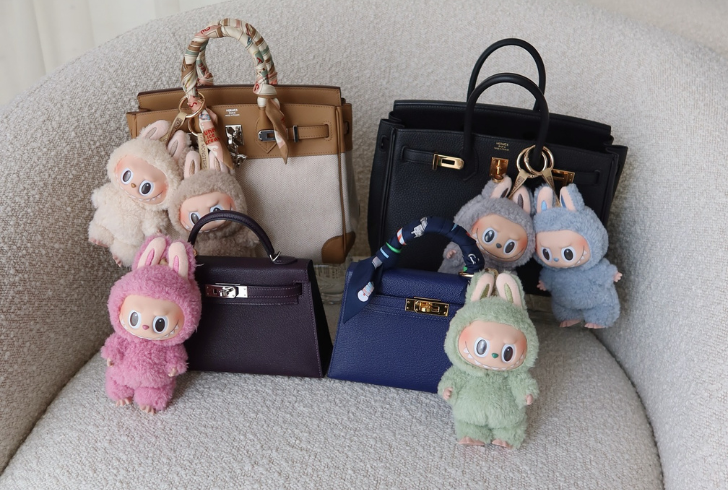
Instagram | popmart_us | The resale of limited-edition Labubu dolls at inflated prices created a secondary-market frenzy.
Pop Mart capitalized on this momentum with impressive results. For the first half of 2025, the company reported a 204% surge in revenue and nearly 400% growth in net profit. Stock prices mirrored this momentum. From early 2024 to August 2025, shares soared by 1,694%, hitting an all-time intraday high of nearly HK$340.
Demand wasn’t just about retail sales. Secondary-market activity fueled the frenzy. Limited-edition dolls were often resold for multiples of their original price. At the peak, a human-sized Labubu plush sold for an astonishing C¥1.08 million (about $151,700) at a Beijing auction.
Shifts in the Resale Market
The resale market now tells a different story. Pop Mart’s latest “mini Labubu” blind box collection launched with excitement, but prices began slipping within weeks.
Initially reselling for C¥2,600 ($365), the full set now trades closer to C¥1,594 ($225).
The “hidden” Heart figurine dropped from nearly C¥1,000 ($139) to under C¥700 ($95).
This downward trend reflects a shift in consumer confidence. While larger or rarer versions may still hold value, resale activity suggests that buyers no longer see Labubu as a guaranteed investment.
Why Interest May Be Cooling
Several factors contribute to the dip in momentum:
1. Increased production – Pop Mart has expanded its output, making once-scarce figures easier to find.
2. Market saturation – Frequent new releases may have diluted the sense of exclusivity.
3. Changing trends – Viral collectibles often lose their shine once the hype cycle moves on.
Consumer surveys highlight this sentiment. A poll on Alibaba’s resale platform Xianyu revealed that half of the respondents expect Labubu prices to continue dropping. This expectation alone can reduce demand, creating a self-reinforcing cycle.
Pop Mart’s Stock Under Pressure
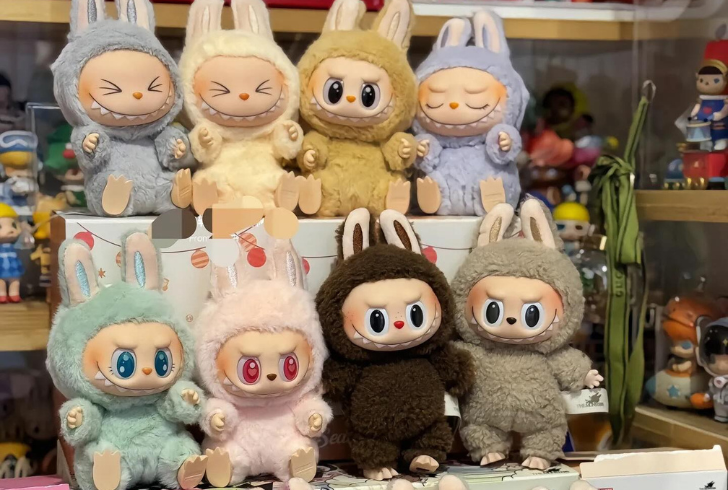
Instagram | labubu_factory | Fueled by a viral trend, the financial success of Labubu toys may be ending as their resale value declines.
As resale enthusiasm fades, Pop Mart’s stock price has begun to slip from its highs. After peaking at HK$335 in August, the shares have retreated by more than 20%. Investors are concerned that the company’s rapid growth relied too heavily on a single product’s popularity.
The brand still commands attention in China and beyond, but the slowing secondary market suggests the craze is stabilizing. For a company that thrived on scarcity and surprise through its blind-box strategy, too much supply risks undermining the very scarcity that drove the surge.
The Turning Point for Labubu
The Labubu story illustrates how quickly cultural trends can translate into financial markets. From a niche toy to a must-have collectible, it captured the imagination of fans worldwide while fueling a remarkable stock surge. Yet, resale declines and shifting consumer sentiment signal that the frenzy may be tapering off.
Whether Labubu becomes a lasting collectible like Beanie Babies once were, or settles into a niche market, depends on how Pop Mart adapts. Maintaining rarity, innovating designs, and expanding beyond a single viral figure may be essential steps. For now, the market’s message is clear: the Labubu craze is entering a new chapter that may test whether its popularity was built on lasting appeal or short-term hype.
More in Wealth
-
`
 Kendall Jenner’s Green Olive Activewear Is This Fall’s Must-Have Shade
Kendall Jenner has once again shown how a single color can define a season. The supermodel, widely recognized for her influence...
September 20, 2025 -
`
 Why Denzel Washington Doesn’t Watch Movies Anymore
Denzel Washington, a two-time Academy Award winner with a career spanning decades, recently made a revelation that caught many off guard....
September 13, 2025 -
`
 Brian Cornell Exits as Target CEO, Michael Fiddelke to Lead Next Chapter
Target is preparing for a major leadership change. Brian Cornell, who has led the company for nearly a decade, will step...
September 6, 2025 -
`
 Redefining Wealth Management for a Multi-Generational Future
Wealth today is no longer just about financial capital. It represents values, priorities, and the vision families carry into the future....
August 30, 2025 -
`
 Can Lifestyle Changes Improve Your Cognitive Health?
For years, scientists have tied healthy living to stronger brain performance. Now, the 2025 POINTER trial adds new evidence, showing that...
August 23, 2025 -
`
 Jason Momoa Shocks Fans With Clean-Shaven Look for ‘Dune 3’
Jason Momoa has officially said goodbye to his signature beard—and it’s for a role that fans have been eagerly anticipating. The...
August 15, 2025 -
`
 Why Fast Growth Can Hurt Your Business More Than Help It
Scaling a business is exciting. Growth means progress, more customers, and broader influence. But pushing too hard, too fast can pull...
August 10, 2025 -
`
 2 Game-Changing Stocks That Could Build Generational Wealth
There’s no shortage of investment ideas in the market. But every once in a while, a few names emerge that offer...
August 3, 2025 -
`
 This Influencer’s Active Videos Inspire, But Offline She Battles a Painful Condition
Aurora McCausland appears full of energy across her TikTok and Instagram feeds. With over 300,000 followers, she’s seen dancing through her...
July 27, 2025
More From AfternoonEdition
-
 Decoding Harry Style’s New Album “Kiss All the Time. Disco, Occasionally.”
Harry Styles rarely repeats himself. Each album opens a new door, and his fourth record proves that habit still holds. “Kiss...
EntertainmentMarch 28, 2026 -
 Why Major UK High Street Businesses Are Going Cashless
Cash still jingles in pockets across the UK, but its place on the high street is shrinking. A new survey published...
BusinessMarch 21, 2026 -
 How Singapore’s Wealthy Elite Owns One-third of Total Household Wealth
Singapore is famous for its sleek skyline, booming finance sector, and strong economic growth. Yet behind that success sits a sharp...
WealthMarch 13, 2026 -
 BBC to Celebrate Broadcasting Icon David Attenborough’s 100th Birthday
The BBC is preparing a major tribute to one of its greatest voices. Sir David Attenborough turns 100 on 8 May,...
LifestyleMarch 7, 2026 -
 Why the “Dancing With the Stars” TV Show Is Reinventing Itself
A new chapter is starting for the Dancing With the Stars franchise. This time, the spotlight is not on celebrities chasing...
EntertainmentFebruary 26, 2026
You must be logged in to post a comment Login