
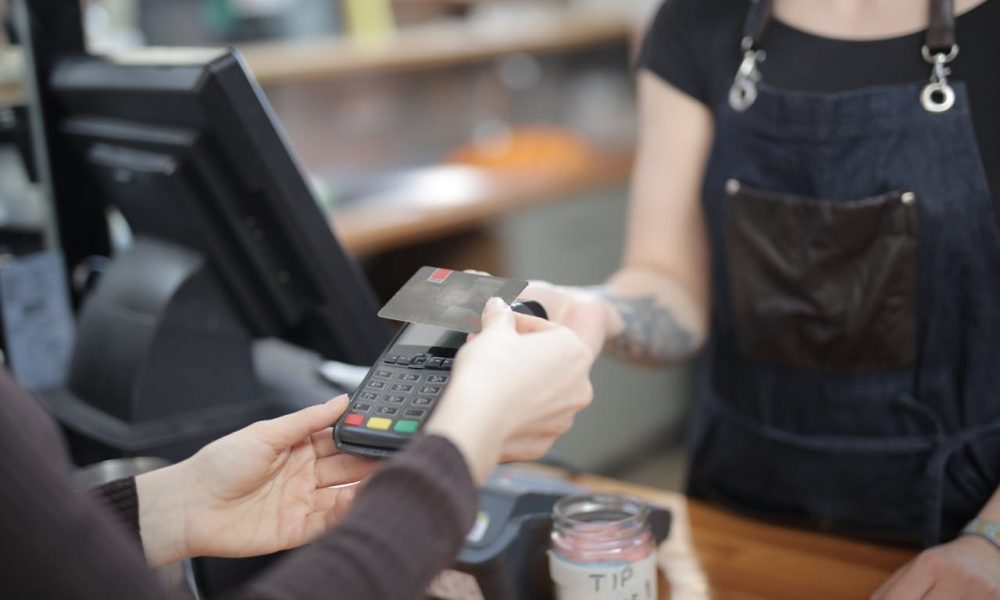
Why Major UK High Street Businesses Are Going Cashless
Cash still jingles in pockets across the UK, but its place on the high street is shrinking. A new survey published in March 2026 shows that many small businesses have quietly stopped taking notes and coins at the till. Card readers and mobile payments now handle a growing share of everyday purchases.
The research comes from the ATM and cash access network Link, which surveyed more than 1,100 small and medium-sized businesses across the UK in September 2025. The findings show a clear shift in payment habits, both for retailers and their customers. Cash still plays a role, but its grip on the high street is loosening.
One in seven businesses has gone fully cashless during the past year. That means about 14% of retailers now accept only cards or digital payments. The shift has happened quickly, especially among smaller shops that once relied heavily on physical money.
Even with this change, most businesses still accept cash. Around 77% of retailers continue to take notes and coins. Many shop owners say they want to keep the option open for customers who still prefer traditional payments.
Cash remains more common than some people might think. The survey shows that 46% of in-person transactions still happen with physical money. That figure stays especially strong in places like independent shops, cafes, pubs, convenience stores, and launderettes.
Why Many Shops Are Ditching Cash
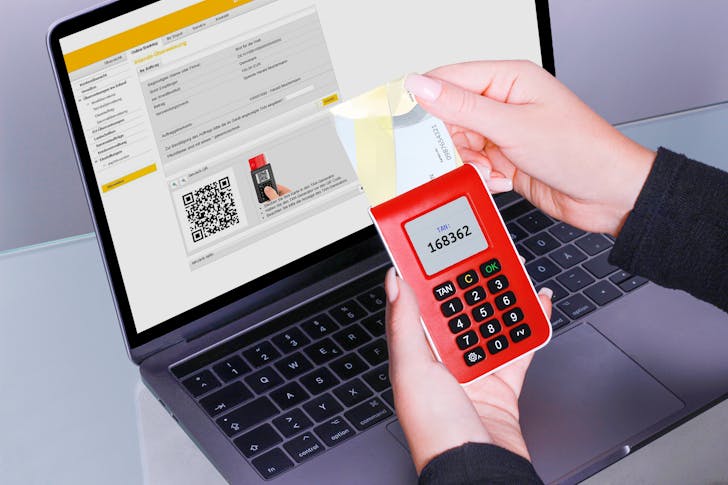
Reiner / Pexels / Security concerns sit at the center of the shift toward cashless tills. Shop owners say the risk of counterfeit banknotes remains a constant worry.
Staff often struggle to check notes during busy hours, which makes fraud harder to catch.
Retailers also face broader safety concerns around theft and shoplifting. Cash drawers can attract crime, especially in busy high street locations. Many owners believe removing cash lowers the risk of robberies and protects staff.
Another reason comes from changing customer habits. Some shop owners report that fewer people now pay with notes or coins. Around a fifth of businesses that went cashless said declining demand played a key role in the decision.
Digital payments have become fast and widely accepted. Contactless cards and mobile wallets allow customers to pay in seconds. Many shoppers now expect this convenience wherever they go.
Bookkeeping also becomes simpler once cash disappears from the register. Around one in five businesses say digital payments make accounting far easier to manage. Electronic records automatically track every sale, saving time and reducing mistakes.
Retailers often need to travel farther to reach a bank or pay higher fees for cash services. That inconvenience pushes some businesses toward card-only payments. Owners simply find it easier to avoid cash altogether.
The survey highlights how strongly businesses feel about this problem. Around four-fifths of retailers want better access to deposit services. Many point to Post Offices and banking hubs as essential parts of the solution.
Keeping Cash on Hand Is Still a Thing
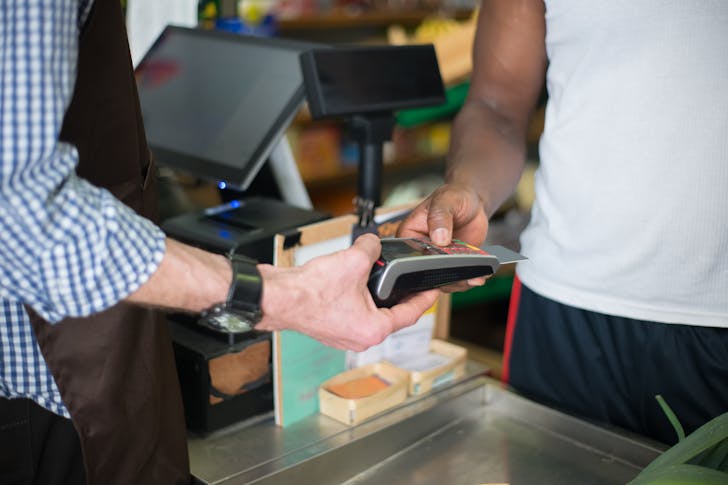
Kampus / Pexels / Among shops that accept cash, about 46% actively encourage customers to use it. Owners say it helps avoid card processing fees and keeps transactions quick.
Cash payments are processed instantly, without waiting for network approvals. Small purchases often feel faster with coins or notes. Some shop owners also prefer the immediate liquidity that cash provides.
There is also concern about leaving certain customers behind. Many people still rely on cash to manage daily spending. Older adults, people without bank accounts, and those on tight budgets often prefer physical money.
The survey shows that 53% of businesses support rules that would require shops to accept cash. Many retailers believe high streets should remain accessible to everyone.
The UK Treasury Select Committee has already warned about the risks of a fully cashless economy. Experts worry about a two-tier system where some people struggle to pay for basic goods. That concern has pushed calls for stronger protections around cash access.
More in Business
-
`
 Kendall Jenner’s Green Olive Activewear Is This Fall’s Must-Have Shade
Kendall Jenner has once again shown how a single color can define a season. The supermodel, widely recognized for her influence...
September 20, 2025 -
`
 Why Denzel Washington Doesn’t Watch Movies Anymore
Denzel Washington, a two-time Academy Award winner with a career spanning decades, recently made a revelation that caught many off guard....
September 13, 2025 -
`
 Brian Cornell Exits as Target CEO, Michael Fiddelke to Lead Next Chapter
Target is preparing for a major leadership change. Brian Cornell, who has led the company for nearly a decade, will step...
September 6, 2025 -
`
 Redefining Wealth Management for a Multi-Generational Future
Wealth today is no longer just about financial capital. It represents values, priorities, and the vision families carry into the future....
August 30, 2025 -
`
 Can Lifestyle Changes Improve Your Cognitive Health?
For years, scientists have tied healthy living to stronger brain performance. Now, the 2025 POINTER trial adds new evidence, showing that...
August 23, 2025 -
`
 Jason Momoa Shocks Fans With Clean-Shaven Look for ‘Dune 3’
Jason Momoa has officially said goodbye to his signature beard—and it’s for a role that fans have been eagerly anticipating. The...
August 15, 2025 -
`
 Why Fast Growth Can Hurt Your Business More Than Help It
Scaling a business is exciting. Growth means progress, more customers, and broader influence. But pushing too hard, too fast can pull...
August 10, 2025 -
`
 2 Game-Changing Stocks That Could Build Generational Wealth
There’s no shortage of investment ideas in the market. But every once in a while, a few names emerge that offer...
August 3, 2025 -
`
 This Influencer’s Active Videos Inspire, But Offline She Battles a Painful Condition
Aurora McCausland appears full of energy across her TikTok and Instagram feeds. With over 300,000 followers, she’s seen dancing through her...
July 27, 2025
More From AfternoonEdition
-
 Decoding Harry Style’s New Album “Kiss All the Time. Disco, Occasionally.”
Harry Styles rarely repeats himself. Each album opens a new door, and his fourth record proves that habit still holds. “Kiss...
EntertainmentMarch 28, 2026 -
 Why Major UK High Street Businesses Are Going Cashless
Cash still jingles in pockets across the UK, but its place on the high street is shrinking. A new survey published...
BusinessMarch 21, 2026 -
 How Singapore’s Wealthy Elite Owns One-third of Total Household Wealth
Singapore is famous for its sleek skyline, booming finance sector, and strong economic growth. Yet behind that success sits a sharp...
WealthMarch 13, 2026 -
 BBC to Celebrate Broadcasting Icon David Attenborough’s 100th Birthday
The BBC is preparing a major tribute to one of its greatest voices. Sir David Attenborough turns 100 on 8 May,...
LifestyleMarch 7, 2026 -
 Why the “Dancing With the Stars” TV Show Is Reinventing Itself
A new chapter is starting for the Dancing With the Stars franchise. This time, the spotlight is not on celebrities chasing...
EntertainmentFebruary 26, 2026
You must be logged in to post a comment Login