
How Singapore’s Wealthy Elite Owns One-third of Total Household Wealth
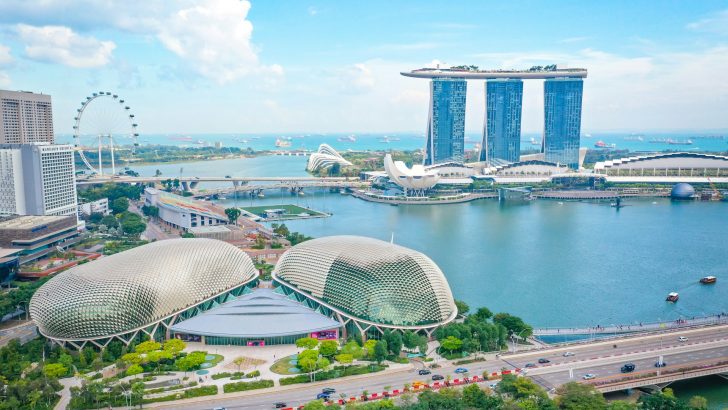
Singapore is famous for its sleek skyline, booming finance sector, and strong economic growth. Yet behind that success sits a sharp divide in how wealth is spread across households. New government data now puts clear numbers on that gap.
The latest figures show that Singapore’s wealthiest residents hold a large slice of the nation’s assets. The richest 5% of households control about one-third of all household wealth in the country. That is a striking share for such a small group.
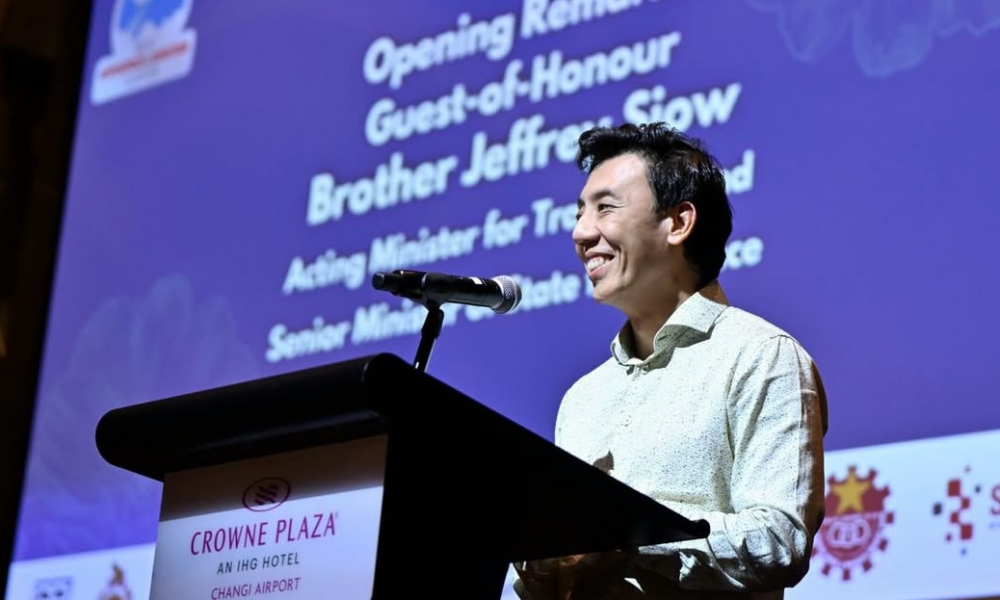
These numbers came out during a parliamentary response on February 25, 2026. Senior Minister of State for Finance Jeffrey Siow shared the figures while answering questions about a Ministry of Finance report on wealth and inequality. The report offers one of the clearest looks yet at how wealth is distributed across Singapore’s population. It also gives policymakers a new tool to track inequality in the years ahead.
The Numbers Behind Singapore’s Wealth Divide
Dag / Unsplash / The richest 1% of households alone hold about 14% of Singapore’s total household wealth. When the group expands to the top 5%, their combined share rises to roughly 33%.
That means one out of every three dollars of household wealth in Singapore belongs to that small group.
The top 20% of households sit far ahead of the rest as well. Their average net wealth reached about S$5.26 million in 2023, according to the Ministry of Finance data. The remaining 80% of households together averaged about S$3.51 million in net wealth. This means the richest fifth of the population holds more wealth than the rest of the country combined.
The contrast becomes even sharper at the bottom of the ladder. The poorest 20% of households have an average net wealth of around S$29,300. That figure shows how wide the gap can be between the top and the bottom of the wealth scale. It also highlights how strongly assets accumulate at higher income levels over time.
Why Wealth Inequality Is Higher Than Income Inequality
Singapore’s wealth inequality stands noticeably higher than its income inequality. This pattern mirrors what economists see in many advanced economies. The country’s income Gini coefficient, measured after taxes and transfers, sits at about 0.379. The newly calculated wealth Gini coefficient stands much higher at 0.55.
Income inequality measures yearly earnings. Wealth inequality reflects assets built up over decades. That includes property values, savings, retirement funds, and investment portfolios. Older households often accumulate more wealth simply because they have had more years to save and invest. Property ownership also plays a major role in shaping wealth levels.
Housing forms a large share of wealth for many Singaporean families. Government policies have long encouraged home ownership through the public housing system.
Savings in Central Provident Fund accounts also contribute heavily to household wealth. These retirement funds grow steadily over a person’s working life.
As a result, middle and lower-income households often hold wealth mostly in property and retirement savings. Wealthier families typically hold larger financial investments and multiple assets.
Singapore Compared With Other Wealthy Nations
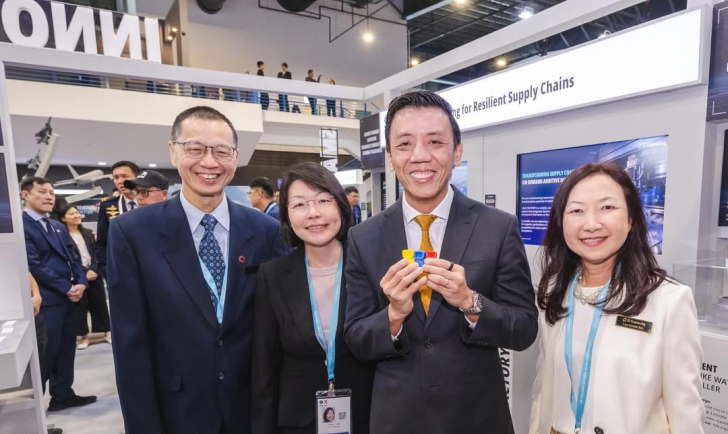
Siow / IG / Jeffrey Siow explained that Singapore’s wealth distribution is broadly comparable with places such as Japan, Australia, and Finland. These nations report similar wealth Gini levels.
The comparison becomes more dramatic when looking at countries like the United States and the United Kingdom. Wealth in those economies is even more concentrated at the top.
This global pattern often emerges as economies grow richer and financial markets deepen. Assets such as property, stocks, and businesses can appreciate faster than wages. Over time, those who already own assets benefit the most from that growth. This effect steadily widens the wealth gap across generations.
More in Wealth
-
`
 Kendall Jenner’s Green Olive Activewear Is This Fall’s Must-Have Shade
Kendall Jenner has once again shown how a single color can define a season. The supermodel, widely recognized for her influence...
September 20, 2025 -
`
 Why Denzel Washington Doesn’t Watch Movies Anymore
Denzel Washington, a two-time Academy Award winner with a career spanning decades, recently made a revelation that caught many off guard....
September 13, 2025 -
`
 Brian Cornell Exits as Target CEO, Michael Fiddelke to Lead Next Chapter
Target is preparing for a major leadership change. Brian Cornell, who has led the company for nearly a decade, will step...
September 6, 2025 -
`
 Redefining Wealth Management for a Multi-Generational Future
Wealth today is no longer just about financial capital. It represents values, priorities, and the vision families carry into the future....
August 30, 2025 -
`
 Can Lifestyle Changes Improve Your Cognitive Health?
For years, scientists have tied healthy living to stronger brain performance. Now, the 2025 POINTER trial adds new evidence, showing that...
August 23, 2025 -
`
 Jason Momoa Shocks Fans With Clean-Shaven Look for ‘Dune 3’
Jason Momoa has officially said goodbye to his signature beard—and it’s for a role that fans have been eagerly anticipating. The...
August 15, 2025 -
`
 Why Fast Growth Can Hurt Your Business More Than Help It
Scaling a business is exciting. Growth means progress, more customers, and broader influence. But pushing too hard, too fast can pull...
August 10, 2025 -
`
 2 Game-Changing Stocks That Could Build Generational Wealth
There’s no shortage of investment ideas in the market. But every once in a while, a few names emerge that offer...
August 3, 2025 -
`
 This Influencer’s Active Videos Inspire, But Offline She Battles a Painful Condition
Aurora McCausland appears full of energy across her TikTok and Instagram feeds. With over 300,000 followers, she’s seen dancing through her...
July 27, 2025
More From AfternoonEdition
-
 Decoding Harry Style’s New Album “Kiss All the Time. Disco, Occasionally.”
Harry Styles rarely repeats himself. Each album opens a new door, and his fourth record proves that habit still holds. “Kiss...
EntertainmentMarch 28, 2026 -
 Why Major UK High Street Businesses Are Going Cashless
Cash still jingles in pockets across the UK, but its place on the high street is shrinking. A new survey published...
BusinessMarch 21, 2026 -
 How Singapore’s Wealthy Elite Owns One-third of Total Household Wealth
Singapore is famous for its sleek skyline, booming finance sector, and strong economic growth. Yet behind that success sits a sharp...
WealthMarch 13, 2026 -
 BBC to Celebrate Broadcasting Icon David Attenborough’s 100th Birthday
The BBC is preparing a major tribute to one of its greatest voices. Sir David Attenborough turns 100 on 8 May,...
LifestyleMarch 7, 2026 -
 Why the “Dancing With the Stars” TV Show Is Reinventing Itself
A new chapter is starting for the Dancing With the Stars franchise. This time, the spotlight is not on celebrities chasing...
EntertainmentFebruary 26, 2026
You must be logged in to post a comment Login