

How Controllable Lifestyle Factors Can Keep Your Brain Young & Healthy
Your brain is not stuck aging on autopilot. New research shows it responds fast to how you live. What you eat, how you sleep, how stressed you feel, and who you spend time with all leave real marks on your brain. The exciting part is that many of those habits are entirely in your control.
A 2025 study published in Brain Communications found that individuals who followed healthier daily routines had brains that appeared up to eight years younger than their actual age. Even better, their brains aged more slowly over time. That is not luck. That is biology responding to behavior.
This matters because brain aging drives memory loss, slower thinking, and a higher risk for dementia. The study confirms something doctors have suspected for years.
Your Brain Tracks Your Daily Choices
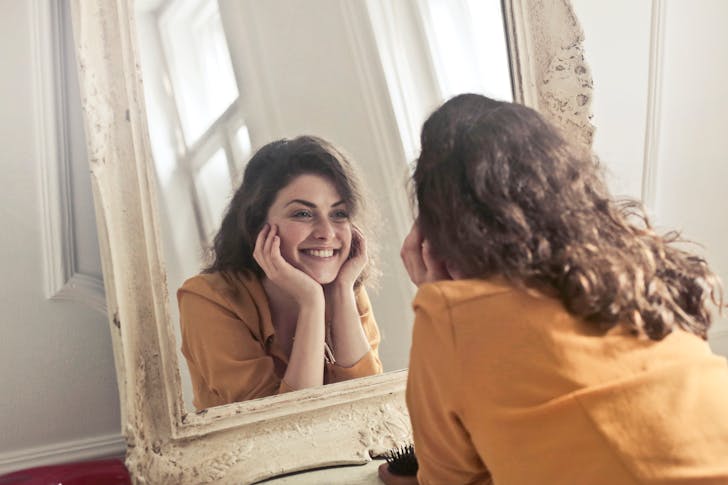
Olly / Pexels / New study finds that individuals who adhered to a cluster of healthy habits had brains that appeared up to eight years younger than their actual age.
The study followed middle-aged and older adults, many living with chronic pain. Researchers used machine learning to estimate each person’s brain age based on imaging. Then they compared those results to lifestyle habits.
The pattern was clear. People who slept better, managed stress, stayed socially connected, avoided smoking, and maintained a healthier weight had younger-looking brains.
Stress stood out as a major factor. People who felt overwhelmed most days showed faster brain aging. Those who practiced optimism and learned how to reframe stress had healthier brain scans. Optimism was not treated as a personality trait. It was treated as a skill that can be learned and strengthened.
Sleep played an equally powerful role. Poor sleep disrupted brain repair and memory systems. Individuals who prioritize regular, high-quality sleep exhibit slower brain aging. This reinforces a point that sleep scientists have been saying for years. Sleep is active brain maintenance, not downtime.
Plus, social connections also mattered. Strong support networks were linked to a younger brain age. Regular conversations, shared activities, and feeling understood kept neural networks engaged. Loneliness, on the other hand, has been linked to signs of wear and tear in the brain.
Why These Habits Actually Work?
These habits protect the brain through a concept called cognitive reserve. Think of it as mental backup power. A brain with a higher reserve keeps functioning even when aging or disease tries to interfere.
Mental stimulation builds that reserve. Learning new skills, reading often, and staying curious keep neural pathways flexible. Social interaction does the same thing. Conversation forces the brain to process emotion, memory, and language all at once.
Physical activity boosts brain health on a cellular level. Exercise increases blood flow to the brain, feeds neurons with oxygen, and encourages the growth of new brain cells. It also triggers the release of BDNF, a protein that helps neurons survive and connect.
High blood pressure, high blood sugar, and poor cholesterol damage small blood vessels in the brain. Over time, that damage speeds up cognitive decline. Lifestyle choices that protect the heart also protect the brain.
Mental Health Is Brain Health

Olly / Pexels / Mental well-being is a biological factor. Large studies now show that optimism, life satisfaction, and a sense of purpose lower the risk of dementia.
Another major 2025 study dug deeper into depression and brain aging. It found that not all symptoms carried the same risk. Six specific symptoms were strongly linked to higher dementia risk. These included low self-confidence, trouble coping with problems, ongoing anxiety, difficulty focusing, dissatisfaction with completing tasks, and emotional distance from others.
Researchers believe these symptoms reduce engagement with life. Less engagement means less mental stimulation. Over time, cognitive reserve shrinks. As a result, the brain loses its buffer.
More in Lifestyle
-
`
 Kendall Jenner’s Green Olive Activewear Is This Fall’s Must-Have Shade
Kendall Jenner has once again shown how a single color can define a season. The supermodel, widely recognized for her influence...
September 20, 2025 -
`
 Why Denzel Washington Doesn’t Watch Movies Anymore
Denzel Washington, a two-time Academy Award winner with a career spanning decades, recently made a revelation that caught many off guard....
September 13, 2025 -
`
 Brian Cornell Exits as Target CEO, Michael Fiddelke to Lead Next Chapter
Target is preparing for a major leadership change. Brian Cornell, who has led the company for nearly a decade, will step...
September 6, 2025 -
`
 Redefining Wealth Management for a Multi-Generational Future
Wealth today is no longer just about financial capital. It represents values, priorities, and the vision families carry into the future....
August 30, 2025 -
`
 Can Lifestyle Changes Improve Your Cognitive Health?
For years, scientists have tied healthy living to stronger brain performance. Now, the 2025 POINTER trial adds new evidence, showing that...
August 23, 2025 -
`
 Jason Momoa Shocks Fans With Clean-Shaven Look for ‘Dune 3’
Jason Momoa has officially said goodbye to his signature beard—and it’s for a role that fans have been eagerly anticipating. The...
August 15, 2025 -
`
 Why Fast Growth Can Hurt Your Business More Than Help It
Scaling a business is exciting. Growth means progress, more customers, and broader influence. But pushing too hard, too fast can pull...
August 10, 2025 -
`
 2 Game-Changing Stocks That Could Build Generational Wealth
There’s no shortage of investment ideas in the market. But every once in a while, a few names emerge that offer...
August 3, 2025 -
`
 This Influencer’s Active Videos Inspire, But Offline She Battles a Painful Condition
Aurora McCausland appears full of energy across her TikTok and Instagram feeds. With over 300,000 followers, she’s seen dancing through her...
July 27, 2025
More From AfternoonEdition
-
 Decoding Harry Style’s New Album “Kiss All the Time. Disco, Occasionally.”
Harry Styles rarely repeats himself. Each album opens a new door, and his fourth record proves that habit still holds. “Kiss...
EntertainmentMarch 28, 2026 -
 Why Major UK High Street Businesses Are Going Cashless
Cash still jingles in pockets across the UK, but its place on the high street is shrinking. A new survey published...
BusinessMarch 21, 2026 -
 How Singapore’s Wealthy Elite Owns One-third of Total Household Wealth
Singapore is famous for its sleek skyline, booming finance sector, and strong economic growth. Yet behind that success sits a sharp...
WealthMarch 13, 2026 -
 BBC to Celebrate Broadcasting Icon David Attenborough’s 100th Birthday
The BBC is preparing a major tribute to one of its greatest voices. Sir David Attenborough turns 100 on 8 May,...
LifestyleMarch 7, 2026 -
 Why the “Dancing With the Stars” TV Show Is Reinventing Itself
A new chapter is starting for the Dancing With the Stars franchise. This time, the spotlight is not on celebrities chasing...
EntertainmentFebruary 26, 2026
You must be logged in to post a comment Login